Aging is a natural part of life, but your everyday food choices can play an important role in supporting your overall health as you grow older. There is no single food that can stop aging or remove wrinkles completely. However, a balanced diet rich in fruits, vegetables, whole grains, legumes, nuts, healthy fats and quality protein can support healthy aging.
If you are looking for the best foods for healthy aging, focus less on one “miracle” food and more on building a nutritious eating pattern that you can maintain over time.
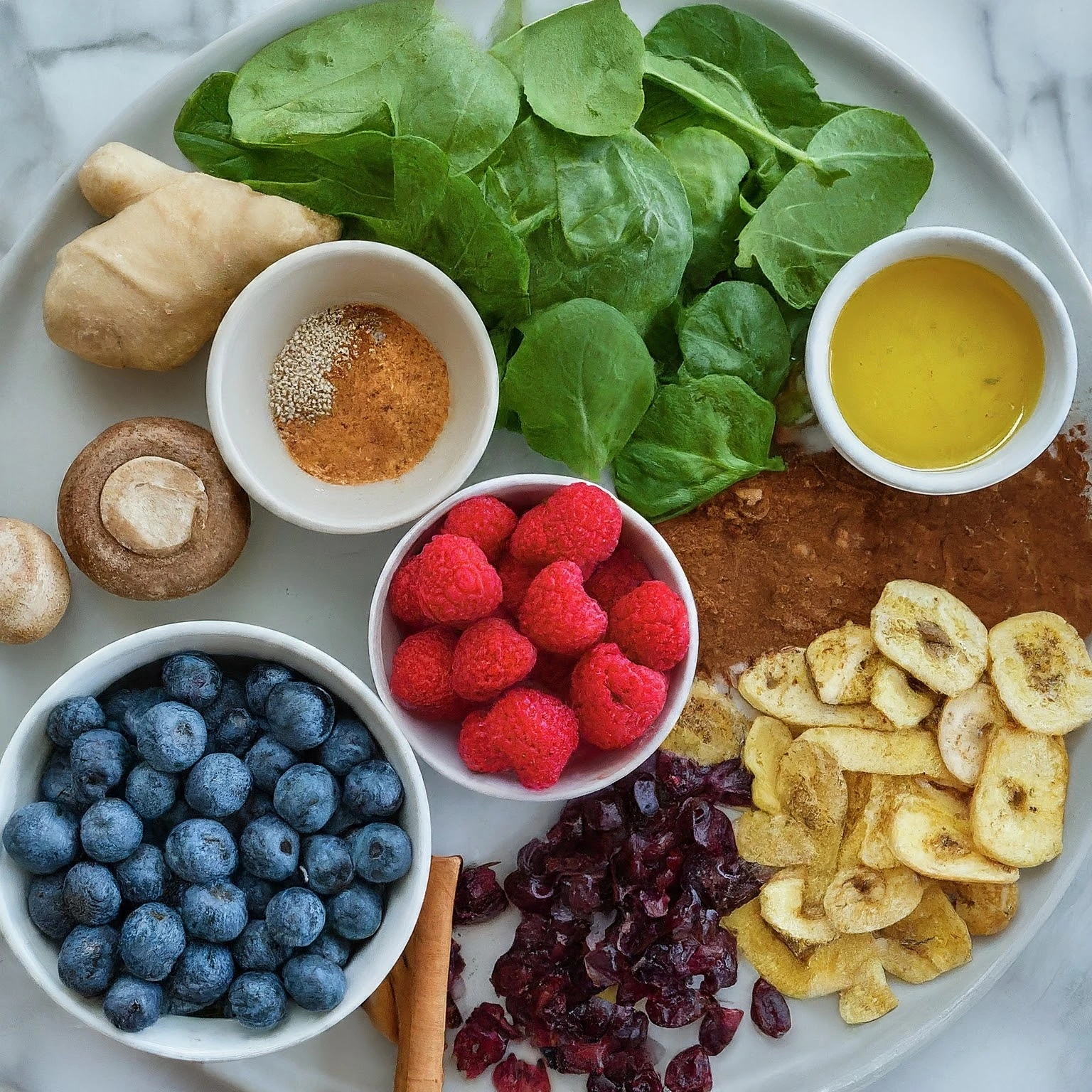
10 Foods for Healthy Aging
1. Berries
Blueberries, strawberries and other berries provide fiber and plant compounds such as polyphenols. Research on healthy dietary patterns has linked greater consumption of plant foods, including berries and other vegetables and fruits, with healthier aging.
2. Leafy Green Vegetables
Spinach, kale and other dark green vegetables provide vitamins, minerals and fiber. The National Institute on Aging recommends including a variety of vegetables as part of a healthy eating pattern.
3. Fatty Fish
Salmon, trout and similar fish provide high-quality protein and omega-3 fatty acids. These nutrients can be part of a balanced diet that supports heart and overall health.
4. Nuts and Seeds
Almonds, walnuts, chia seeds and other nuts and seeds provide protein, fiber and healthy fats. They can be a convenient nutrient-dense snack when eaten in appropriate portions.
5. Avocado
Avocado contains unsaturated fats and other nutrients. Healthy fats are an important component of nutritious eating patterns and can help make meals satisfying.
6. Tomatoes
Tomatoes are an easy way to add vegetables to your meals. They can be eaten fresh in salads, cooked into meals or combined with other vegetables for a nutrient-rich dish.
7. Beans and Lentils
Beans, peas and lentils provide plant-based protein and fiber. They can be particularly useful for people looking to increase plant-based foods while maintaining adequate protein intake.
8. Whole Grains
Oats, brown rice and other whole grains can provide fiber and important nutrients. Choosing whole grains instead of frequently eating refined grains can contribute to a healthier overall dietary pattern.
9. Yogurt
Yogurt provides protein and, depending on the product, calcium and other nutrients. Low-fat or unsweetened options can be incorporated into a balanced diet.
10. Citrus Fruits
Oranges, grapefruit and other citrus fruits provide vitamin C and other nutrients. Adding a variety of whole fruits to your meals and snacks is recommended as part of healthy eating.
How Do These Foods Support Healthy Aging?
The benefits of healthy aging foods come primarily from the overall dietary pattern rather than any single ingredient. Harvard researchers have reported that eating patterns emphasizing fruits, vegetables, whole grains, nuts, legumes and healthy fats are associated with healthy aging.
A nutrient-rich diet may also support healthy skin. However, food alone cannot prevent all visible signs of aging. Sun exposure, smoking, hydration, stress and other factors can affect how skin changes over time. The National Institute on Aging recommends healthy eating, hydration and sun protection as part of maintaining healthier skin as you age.

For additional reading, see our related guide on foods that may help reduce the appearance of age-related changes.
Simple Tips for an Anti-Aging Diet
Instead of searching for one “anti-aging food,” try these practical habits:
- Fill more of your plate with vegetables and fruits.
- Choose whole grains more often.
- Include a source of protein with meals.
- Eat nuts, seeds and other healthy-fat sources in moderate portions.
- Choose fish and other nutrient-rich protein foods.
- Limit foods high in added sugar, saturated fat and excess sodium.
- Drink enough water throughout the day.
Final Thoughts
The best foods for healthy aging are not exotic or complicated. Berries, leafy greens, fish, nuts, beans, whole grains, fruits and other minimally processed foods can form the foundation of a nutritious diet. Rather than expecting one food to reverse aging, focus on a varied eating pattern that supports your health consistently over the long term.
Important: Healthy eating supports overall wellness but does not literally stop or reverse the natural aging process. If you have a medical condition or specific nutritional needs, consult a qualified healthcare professional before making major dietary changes.